

Vegas Aviation Team
Learn to Fly Month: First Steps for Las Vegas Pilots
If learning to fly has been sitting on your someday list, May is a good time to turn that idea into a real first step. You do not need to have aviation experience before you begin. You need a clear starting point, a realistic view of the training path, and a place where you can ask practical questions before you commit.
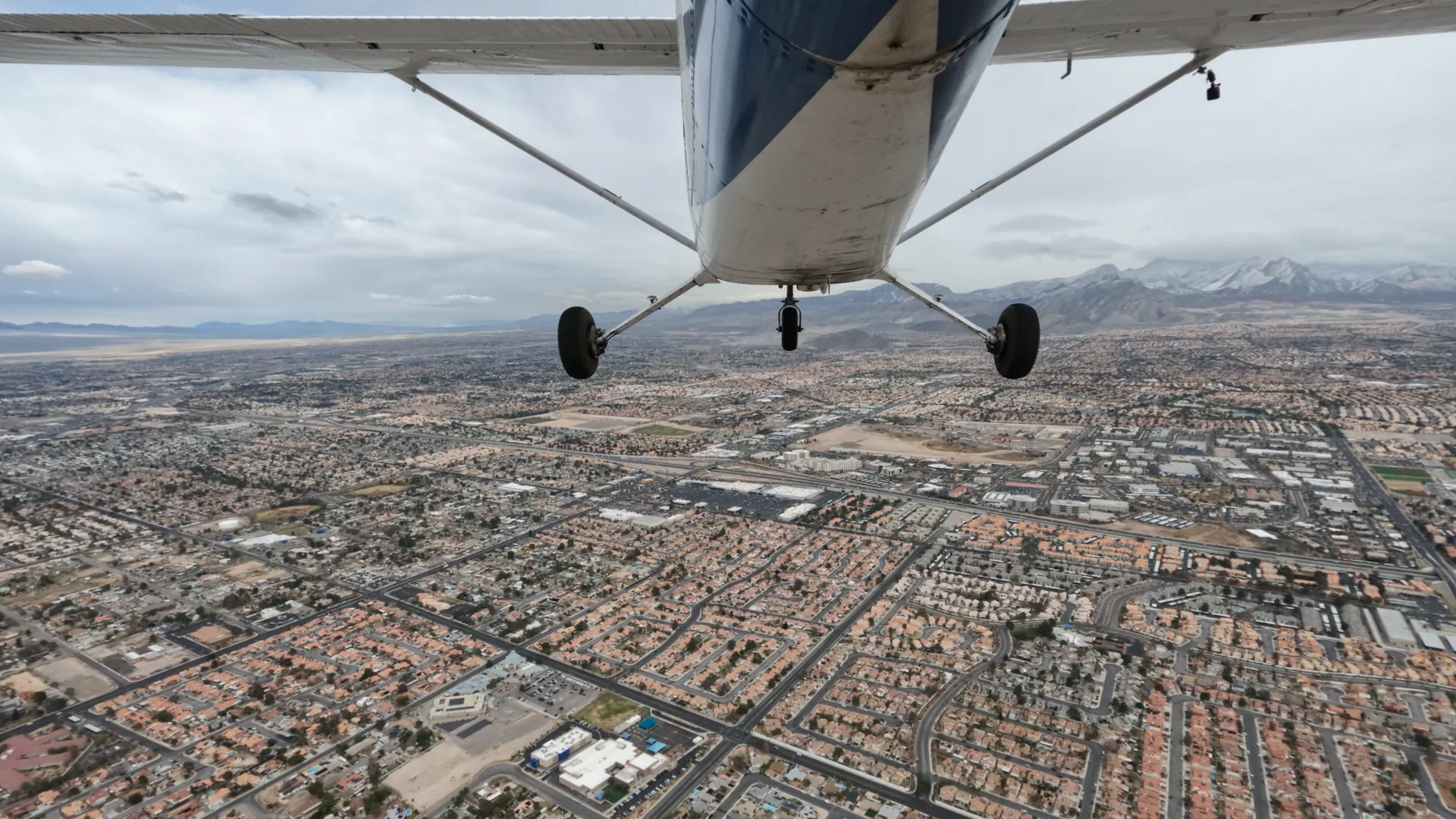
For many future pilots in Las Vegas, that first step is a discovery flight. It gives you a supervised cockpit experience with an instructor, helps you understand what training feels like, and gives you a better foundation for deciding whether flight training fits your goals.
(Source: Vegas Aviation media archive)
What Learn to Fly Month Should Mean for You
“Learn to Fly Month” does not need to mean rushing into a major decision. Flight training is an investment of time, money, and focus, so the smarter move is to use the month as a prompt to get informed.
That can mean:
- Scheduling a discovery flight.
- Visiting the school at North Las Vegas Airport (KVGT).
- Asking about the path from first lesson to Private Pilot.
- Learning what training costs include.
- Talking through schedule, aircraft, and instructor availability.
- Reviewing what medical or documentation steps may apply to your goals.
The goal is not pressure. The goal is motion. Once you understand the first few steps, the idea of becoming a pilot usually feels much less mysterious.
Start With the Lowest-Friction Step
A discovery flight is designed for people who are curious about flying but not ready to enroll in a full training program yet. At Vegas Aviation, it is the natural first step for someone who wants to experience the cockpit, meet the team, and see what flying feels like from the pilot’s seat.
During an introductory flight, you can expect the experience to be guided by an instructor. When appropriate, you may be able to take the controls with a Vegas Aviation instructor beside you. That matters because it turns “I wonder if I could do this” into a real experience you can evaluate.
Use the flight to pay attention to three things:
| What to notice | Why it matters |
|---|---|
| How comfortable you feel asking questions | Flight training works best when you can communicate openly with your instructor. |
| How the instructor explains each step | Clear explanations now are a good sign for future lessons. |
| How you respond to the cockpit environment | The first flight helps you decide whether training is exciting enough to pursue seriously. |
If you finish the flight wanting to know more, your next conversation should be about training pace, budget, and the certificate path.
Understand the Path Before You Enroll
Most new students begin by working toward a Private Pilot certificate. That is the foundational pilot certificate for personal flying and the starting point for many advanced ratings and career paths.
From there, many career-focused pilots continue into an instrument rating, commercial pilot training, multi-engine training, and flight instructor credentials. That sequence is common, but it is not the only possible aviation path. Your route depends on whether you want to fly recreationally, pursue aviation as a career, build advanced skills, or simply explore before making a larger commitment.
At Vegas Aviation, the useful question is not “How fast can I finish?” It is “What training plan fits my goals, schedule, budget, and learning pace?”
(Source: Vegas Aviation media archive)
Be Careful With Career Hype
There are real aviation career opportunities, but take the following data with a grain of salt. Airline eligibility and airline hiring are separate milestones.
For context, the U.S. Bureau of Labor Statistics reports about 18,200 projected annual openings for airline and commercial pilots from 2024 to 2034. It also reports May 2024 median annual wages of $226,600 for airline pilots, copilots, and flight engineers and $122,670 for commercial pilots. Boeing’s 2025 Pilot and Technician Outlook forecasts 660,000 new pilots needed globally in commercial aviation through 2044.
Those numbers can help explain why many students are interested in aviation, but they are not a guarantee. Pilot income and hiring depend on role, employer, location, experience, medical eligibility, training record, interview performance, and market conditions.
You can review the labor context directly from the BLS airline and commercial pilots outlook and Boeing’s Pilot and Technician Outlook.
The practical takeaway is simple: if you are serious about a future in aviation, start by understanding the training path, not by chasing headlines.
Why Training in Las Vegas Can Help
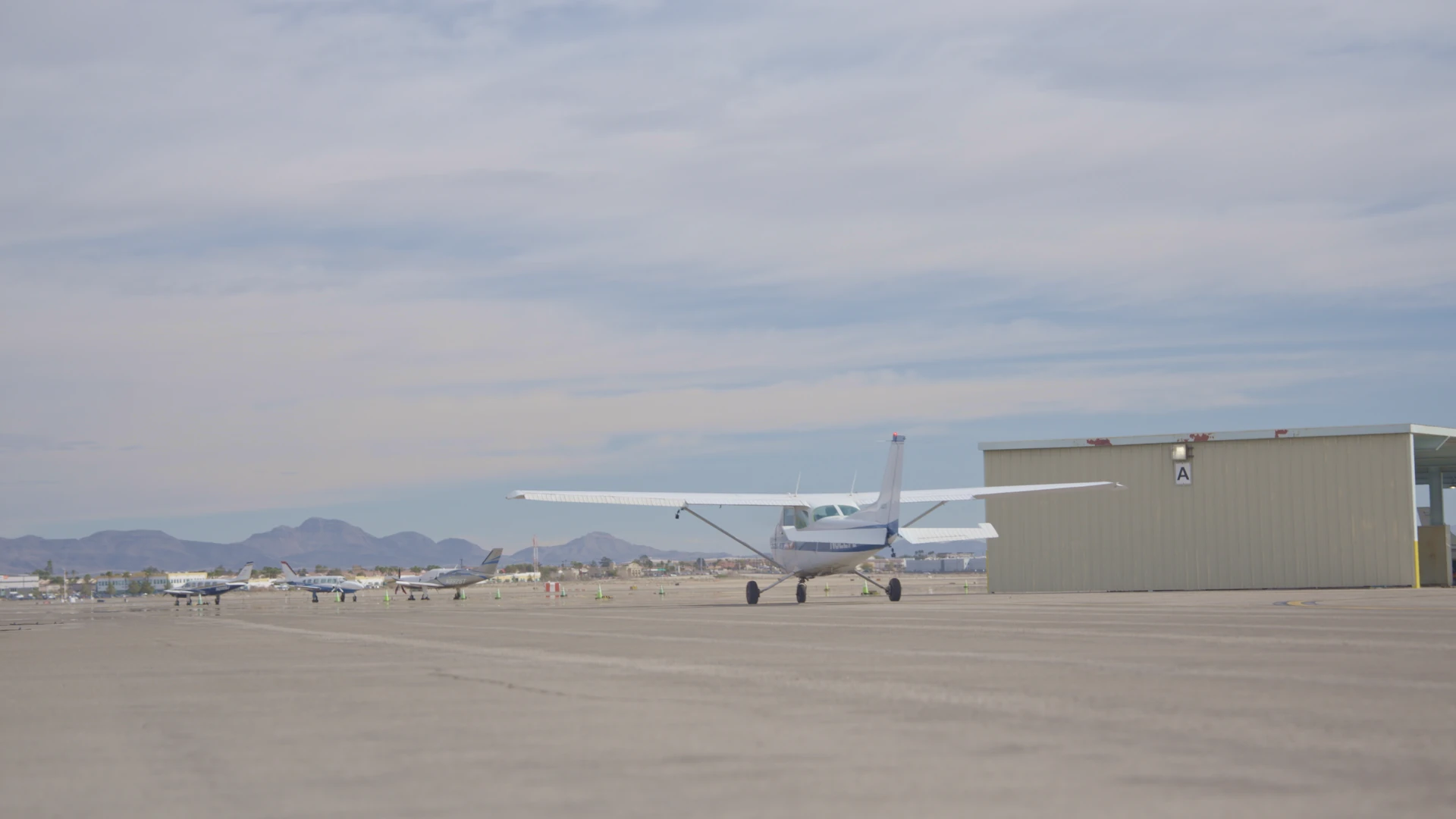
Vegas Aviation is located at North Las Vegas Airport (KVGT), which gives students a local training base in Southern Nevada. Training in this region can expose students to local weather patterns, towered-airport operations, and complex Las Vegas-area airspace.
It is still important to keep the claim realistic. Southern Nevada often offers many flyable training days, but weather, heat, wind, aircraft maintenance, instructor scheduling, and operational decisions can still affect lessons.
That is part of aviation. Learning to work with real-world conditions is not a drawback. It is part of becoming a better pilot.
Questions to Ask Before You Commit
Before you enroll, ask questions that help you understand the whole training experience, not just the exciting first flight.
Good questions include:
- What is the realistic path from discovery flight to Private Pilot?
- How often should I fly to make steady progress?
- What costs should I expect beyond aircraft and instructor time?
- What happens when weather or maintenance changes the schedule?
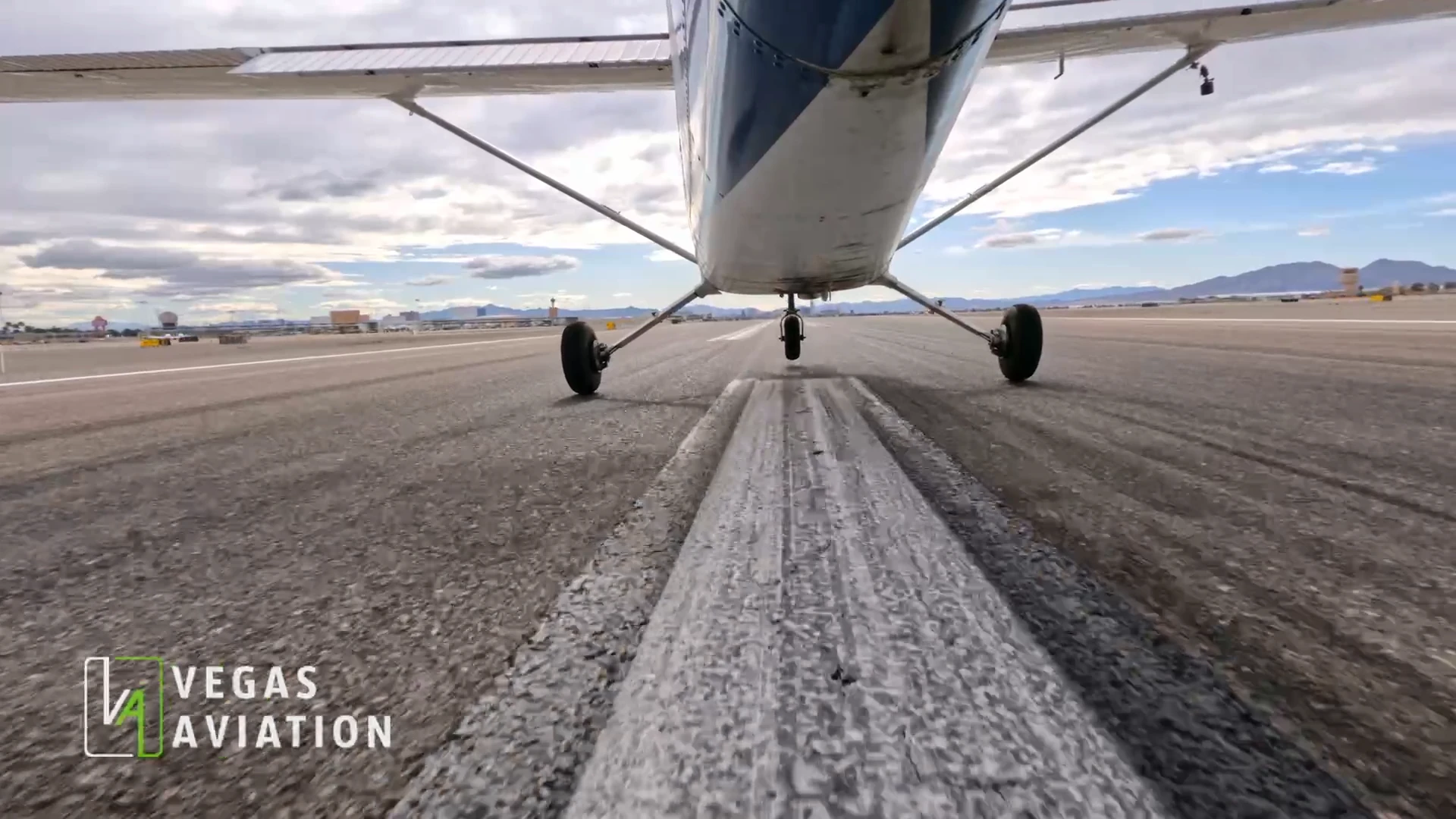
- Which aircraft will I train in?
- How do ground lessons, simulator time, and flight lessons fit together?
- What should I do first if I am thinking about a professional pilot path?
We have training program information and pricing resources available for you to check out here in the website. So it is worth reviewing the Private Pilot program page and pricing resources before your visit. If you are still unsure whether you are ready, the pilot readiness quiz can help you organize your next questions.
(Source: Vegas Aviation media archive)
FAQ
Do I need experience before a discovery flight?
No. A discovery flight is built for beginners. It is a supervised introductory experience that helps you decide whether flight training is something you want to pursue.
Can I take the controls during a discovery flight?
When appropriate, you will be able to take the controls with a Vegas Aviation instructor beside you. The instructor is there to guide the flight and help you understand what is happening.
Does a discovery flight mean I have enrolled in training?
No. Think of it as an introduction. It helps you experience the cockpit, meet the school, and ask better questions before choosing a training path.
Is May officially Learn to Fly Month?
We use “Learn to Fly Month” as a seasonal theme and prompt to take action, however, it is not an official aviation term.
Can I become a professional pilot if I start in Las Vegas?
Many professional pilots begin with local flight training, then build through additional certificates, ratings, and flight experience. The exact path varies by student, goals, medical eligibility, schedule, and hiring market.
What should I do after a discovery flight?
Talk with the school about your goals, budget, schedule, and next training step. If you want to continue, the usual next conversation is about starting Private Pilot training.
Make May the Month You Take the First Step
You do not have to decide your entire aviation future before you climb into the cockpit. Start with the step that gives you real information.
Schedule a discovery flight at Vegas Aviation, meet the team at North Las Vegas Airport, and see what learning to fly actually feels like.


